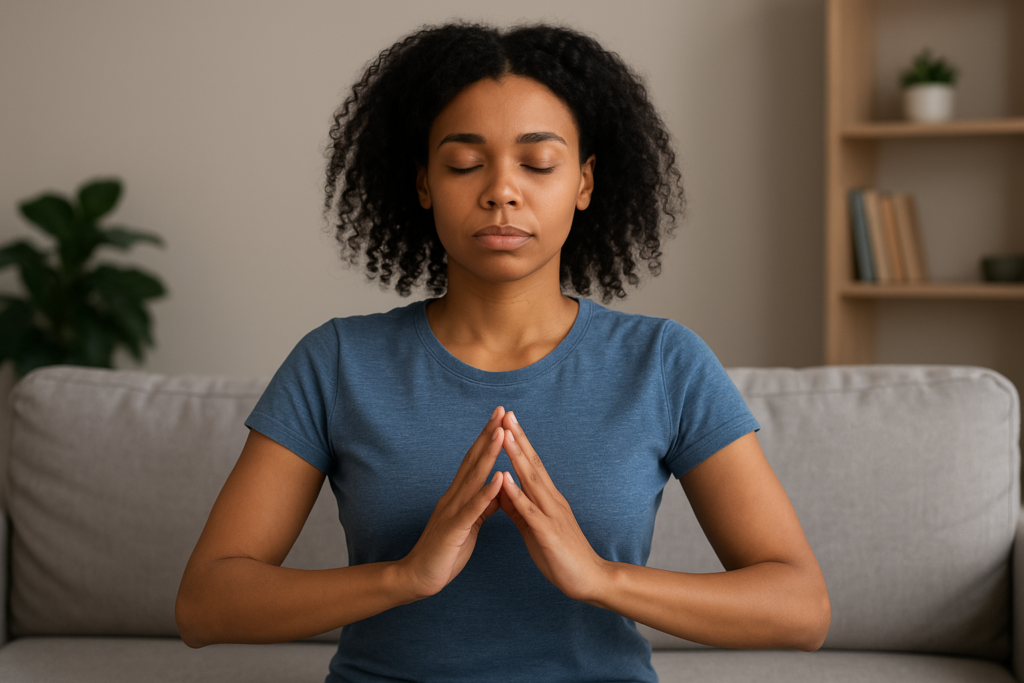
12 Grounding Exercises for Anxiety to Calm Panic in Minutes
Your heart races. Your thoughts spiral. The world feels distant and threatening all at once. If you’ve experienced anxiety or a panic attack, you know how desperately you need something to pull you back to the present moment. That’s exactly where grounding exercises for anxiety come in, practical, body-based techniques that interrupt the panic cycle and restore your sense of control.
At New Perspective Counseling, we work with clients every day who struggle with anxiety, trauma responses, and overwhelming stress. We’ve seen firsthand how simple grounding techniques can create immediate relief when traditional coping methods fall short. These aren’t abstract concepts, they’re tools our therapists teach and our clients use in real moments of crisis.
This guide walks you through 12 grounding exercises you can start using right now. You’ll find sensory-based methods like the popular 5-4-3-2-1 technique, physical strategies that engage your body to calm your nervous system, and mental exercises that redirect racing thoughts. Whether you’re managing generalized anxiety, working through trauma, or trying to stop a panic attack in its tracks, these techniques give you concrete steps to regain your footing, often within minutes.
1. Build a grounding plan with a therapist
Before diving into specific techniques, you should know that working with a trained therapist gives you a personalized foundation that random internet exercises can’t match. A therapist who understands your nervous system, your triggers, and your history can help you select and adapt grounding exercises that actually work for your body and brain. At New Perspective Counseling, we don’t hand you a generic list. We test techniques with you in session, adjust them based on what happens, and create a custom toolkit you can trust when panic hits.
What this grounding approach changes
Your therapist maps the specific way anxiety shows up in your system. Some people need physical techniques to address heart racing and muscle tension, while others require cognitive methods to interrupt thought spirals. A professional assessment identifies your dominant anxiety symptoms and matches you with grounding exercises for anxiety that target those exact patterns. This personalized approach means you stop wasting time on techniques that don’t fit your nervous system.
Therapists also teach you how to sequence exercises. You learn which technique works best at the first sign of anxiety versus which one helps during a full panic attack. This strategic layering creates a roadmap you can follow even when your thinking brain goes offline.
When this helps more than self-help
Self-help works well for mild anxiety or occasional stress. Professional support becomes necessary when panic attacks disrupt your daily life, when grounding techniques you try alone don’t work, or when anxiety stems from unresolved trauma. Therapists trained in modalities like EMDR, Brainspotting, or Internal Family Systems can address root causes while teaching you immediate relief strategies.
Working with a therapist gives you real-time feedback on whether you’re doing a technique correctly and what adjustments make it more effective for your specific nervous system.
You also gain accountability and refinement. Your therapist notices patterns you miss and helps you troubleshoot when a technique stops working.
What to ask for at New Perspective Counseling
Request a grounding plan tailored to your symptoms during your initial consultation. Ask which of our therapists specialize in anxiety and trauma-focused approaches. Specifically mention if you want to learn body-based techniques alongside traditional talk therapy, especially if you’ve found that talking alone doesn’t reduce your physical anxiety symptoms.
Bring examples of when anxiety hits hardest. Tell your therapist about your morning panic, your work presentations, or your nighttime racing thoughts. This concrete information helps us build a plan that works in your actual life, not just in theory.
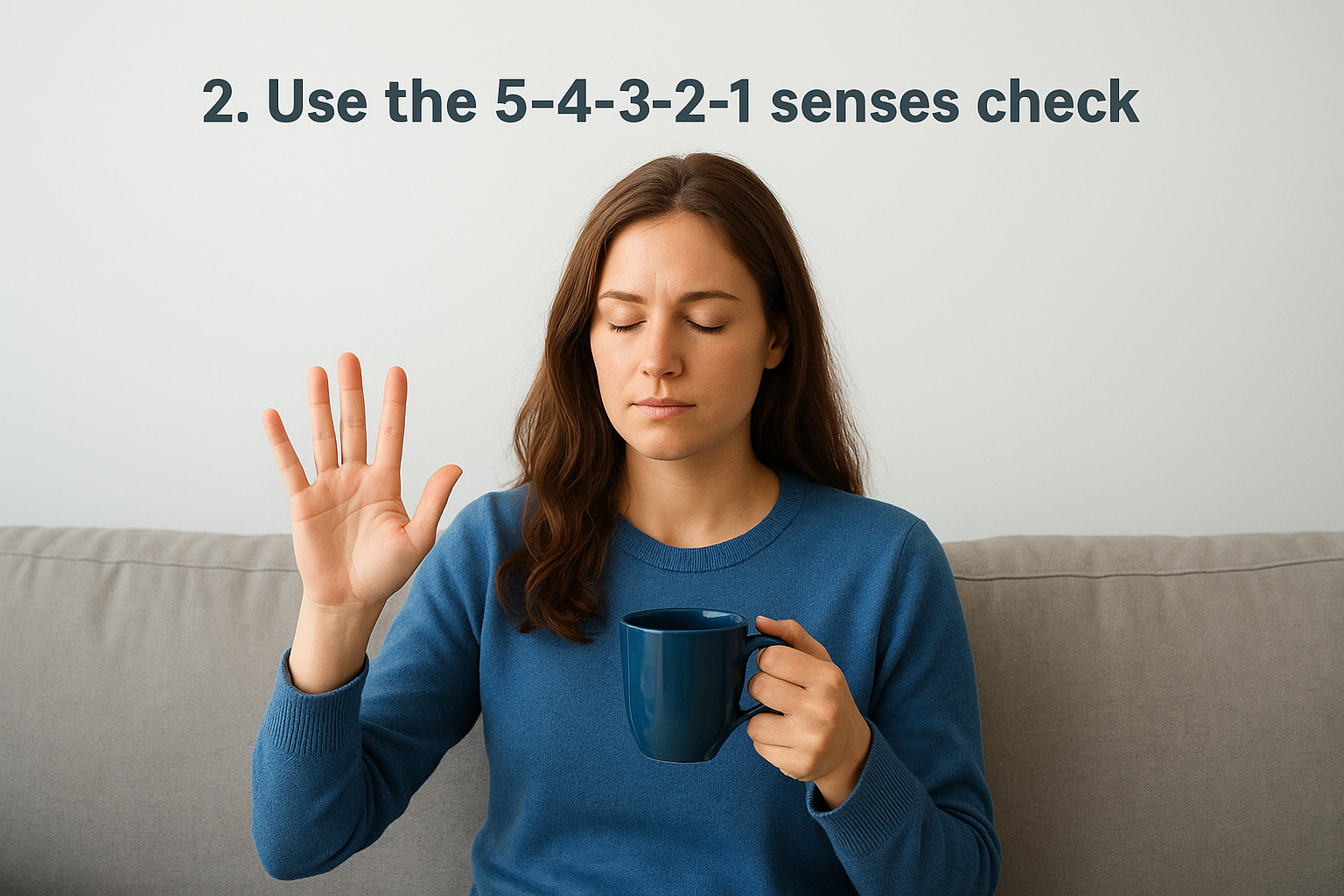
2. Use the 5-4-3-2-1 senses check
The 5-4-3-2-1 technique stands as one of the most widely recommended grounding exercises for anxiety because it forces your brain to shift from internal panic to external observation. You start by naming five things you can see, then four things you can touch, three things you can hear, two things you can smell, and one thing you can taste. This sensory cascade pulls your attention away from racing thoughts and anchors it firmly in the present moment through concrete physical details.
What it targets in your body and brain
This exercise directly interrupts the amygdala’s panic response by engaging your prefrontal cortex, the part of your brain responsible for rational observation. When you actively search for sensory details, you activate neural pathways that compete with the fear circuitry firing during anxiety. Your nervous system receives the message that you’re safe enough to catalog your environment, which begins calming the fight-or-flight response.
Naming specific sensory details forces your brain to process concrete information instead of abstract threats, which naturally reduces anxiety intensity.
Best times to use it
Deploy this technique when you first notice anxiety building but before full panic sets in. It works particularly well in familiar environments where you can easily identify sensory details. Use it during mild to moderate anxiety episodes, when you can still think clearly enough to complete the exercise. Many people find it helpful before triggering situations like meetings or social events.
Common mistakes to avoid
Don’t rush through the steps or skip senses you find difficult. Take several seconds with each item you name. Avoid generic descriptions like “the wall” and instead notice “the gray wall with three small cracks near the corner.” This specificity matters because vague observations don’t engage your brain deeply enough to interrupt anxiety patterns.
3. Use the 3-3-3 rule
The 3-3-3 rule offers a simplified version of sensory grounding that works when panic hits hard and complex techniques feel impossible. You identify three things you can see, three sounds you can hear, and move three parts of your body. This streamlined approach requires less mental bandwidth than the 5-4-3-2-1 method, making it particularly effective during acute panic when your thinking brain has mostly shut down.
Why it works fast in public
This technique draws minimal attention because you can complete it while appearing to simply look around a room or adjust your posture. The movements can be as subtle as flexing your toes, rotating your wrists, or rolling your shoulders, all actions that look natural in public settings like meetings, buses, or crowded spaces. Other grounding exercises for anxiety sometimes require more obvious behaviors, but the 3-3-3 rule lets you regain control without broadcasting your internal struggle.
How to adapt it for panic
When panic peaks and even three items feels overwhelming, reduce the count to one item per category. Name one thing you see, one sound, and move one body part. You can also repeat the full sequence two or three times instead of trying to find new items, which removes the pressure to identify novel details when your brain feels frozen.
Repeating the same three items across multiple rounds still interrupts panic because the act of directing your attention outward calms your nervous system, regardless of whether you find new details.
When to pick 3-3-3 instead of 5-4-3-2-1
Choose the 3-3-3 rule when anxiety strikes in environments with limited sensory options, like a small bathroom or a quiet car. Use it when your panic feels so intense that counting past three becomes impossible, or when you need something you can complete in under 60 seconds. The reduced complexity makes this version your default choice during moderate to severe panic attacks, saving the five-sense version for milder anxiety or prevention work.
4. Do box breathing
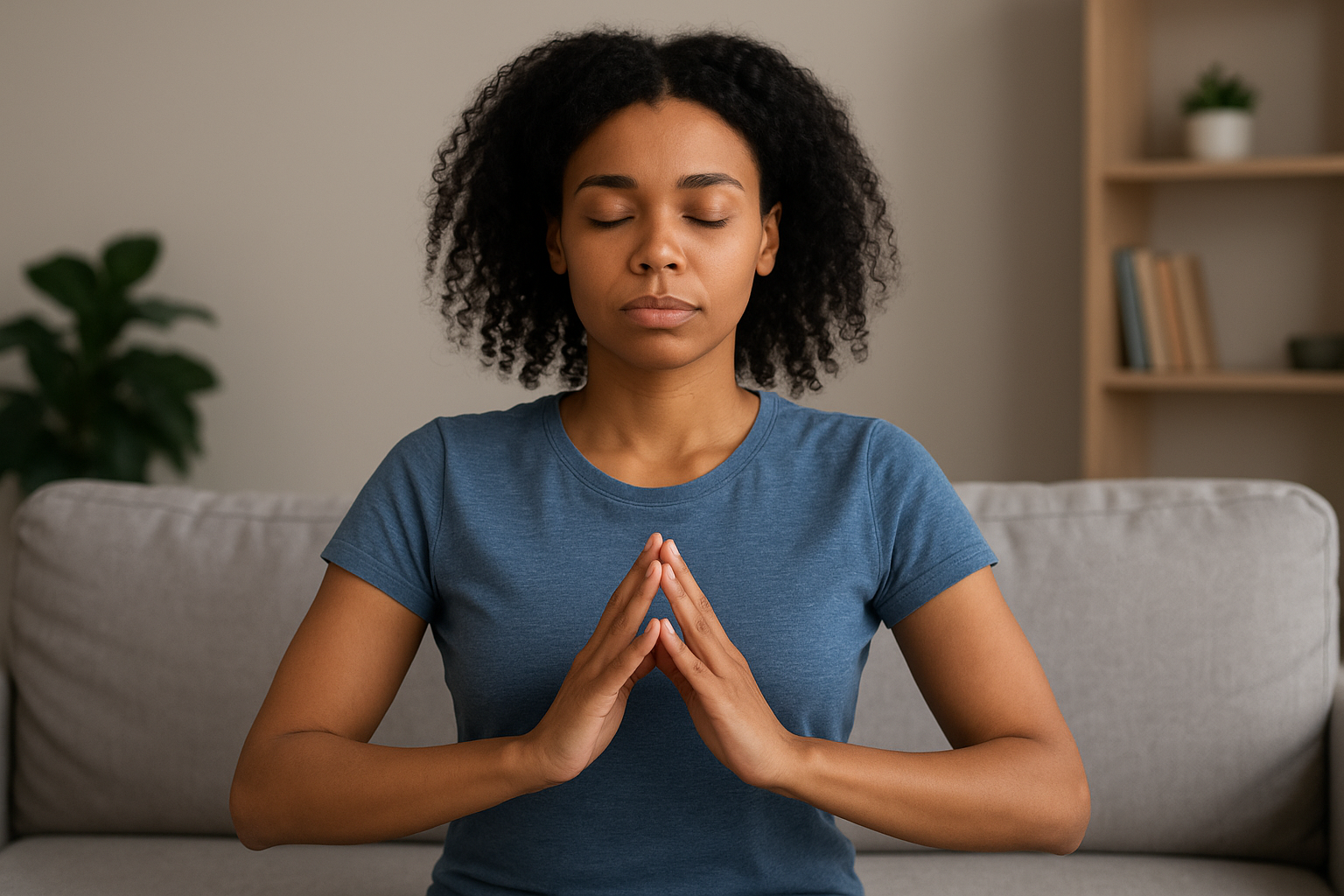
Box breathing creates a predictable rhythm that gives your nervous system something structured to follow during anxiety. You inhale for four counts, hold for four counts, exhale for four counts, and hold empty for four counts. This equal-sided pattern resembles the shape of a box, hence the name. The technique originated in high-stress professions like military special operations because it works quickly to reduce physiological arousal when your body enters fight-or-flight mode.
What to notice while you breathe
Pay attention to the sensation of air entering and leaving your nostrils rather than trying to force your mind blank. Feel your chest and belly expand during the inhale, notice the stillness at the top of your breath, track the relief of the exhale, and observe the pause before your next inhale. These physical sensations anchor you in the present moment, which naturally interrupts anxious thoughts. If you notice your mind wandering to worries, simply redirect your attention back to the physical experience of breathing without judging yourself for losing focus.
Focusing on breath sensations rather than breath control transforms box breathing from a mechanical exercise into one of the most effective grounding exercises for anxiety.
How to adjust counts for beginners
Start with three counts per side if four feels too long or creates strain. You can also reduce just the holds to two counts while keeping the inhale and exhale at four. The pattern matters more than the exact number of seconds, so adjust until you find a rhythm that feels sustainable for at least five full rounds. Gradually increase your counts as the technique becomes familiar.
When to avoid breath holds
Skip breath holds entirely if you have respiratory conditions, high blood pressure, or if holding your breath triggers panic rather than calming it. Replace the holds with continuous breathing where you immediately transition from inhale to exhale and back. Some people find that any pause in breathing increases anxiety, and that’s a valid response that signals you should use a different technique.
5. Try 4-7-8 breathing
The 4-7-8 breathing technique follows a specific unequal pattern that creates a strong sedative effect on your nervous system. You inhale quietly through your nose for four counts, hold your breath for seven counts, and exhale completely through your mouth for eight counts. This asymmetric ratio distinguishes it from box breathing and makes it particularly powerful for anxiety that appears at night or prevents sleep. The extended exhale activates your parasympathetic nervous system more aggressively than balanced breathing patterns.
What makes it feel calming
The longer exhale forces your body to release carbon dioxide and signals your brain that danger has passed. When you hold your breath after inhaling, your heart rate initially increases, but the prolonged exhale that follows creates a rebound effect that slows your heart rate below its starting point. This physiological sequence mimics the natural calming pattern your body uses during deep sleep, which explains why 4-7-8 breathing feels so sedating compared to other grounding exercises for anxiety.
The extended exhale in 4-7-8 breathing creates a stronger parasympathetic response than equal-count breathing patterns, making it especially effective for anxiety that prevents relaxation or sleep.
How to modify it if you get lightheaded
Reduce the counts to 2-3-4 or 3-5-6 while maintaining the same ratio if the full version causes dizziness. You can also skip the breath hold entirely and simply focus on making your exhale twice as long as your inhale. Lightheadedness usually signals that you’re breathing too deeply or forcing the holds, so ease back and find a sustainable rhythm that doesn’t create strain.
Best use cases for sleep and nighttime anxiety
Use this technique 15 to 30 minutes before bed when racing thoughts prevent sleep, or when you wake with anxiety in the middle of the night. The sedative effect makes 4-7-8 breathing less ideal for daytime anxiety when you need to stay alert, but it excels at helping your body transition into rest mode when nighttime anxiety keeps you wired and awake.
6. Hold ice or use cold water
Cold exposure triggers an immediate physical response that redirects your nervous system’s attention from internal panic to external sensation. You can hold an ice cube in your hand, splash cold water on your face, or run your wrists under cold tap water for 30 to 60 seconds. This technique works because intense cold creates a signal strong enough to compete with anxiety’s grip on your attention. The sharp sensation forces your brain to prioritize processing the temperature change, which temporarily interrupts the panic loop.
Why cold sensation can interrupt panic
Cold activates your dive reflex, an automatic response that slows your heart rate and redirects blood flow when your face contacts cold water. This physiological shift directly counters the racing heart and rapid breathing that characterize panic attacks. Your nervous system cannot maintain full panic mode while simultaneously processing a strong cold stimulus. The technique ranks among the fastest-acting grounding exercises for anxiety because it bypasses your thinking brain entirely and works through pure body sensation.
Cold exposure forces your nervous system to prioritize immediate physical sensation over abstract threats, creating an automatic circuit breaker for panic responses.
Safer options if you dislike intense cold
Try holding ice wrapped in a thin cloth instead of direct skin contact, or use cool rather than ice-cold water if extreme temperatures feel intolerable. You can also apply a cold gel pack to the back of your neck or hold a frozen water bottle. The key involves finding a temperature intense enough to capture your attention without creating distress that worsens your anxiety.
When to skip cold-based grounding
Avoid this technique if you have Raynaud’s disease, cold urticaria, or other conditions where cold exposure causes physical problems. Skip it if cold sensations trigger trauma responses or if you’re already physically cold, since adding more cold stress compounds your discomfort rather than relieving it.
7. Do a quick body scan
Body scanning means systematically directing your attention through different parts of your body to notice physical sensations without trying to change them. You start at your feet or head and work through each body region, spending 5 to 10 seconds observing what you feel in that area. This technique interrupts anxiety by shifting your focus from racing thoughts to concrete physical sensations, creating a mental break that allows your nervous system to settle. Unlike longer meditation practices, a quick body scan takes only 1 to 2 minutes, making it practical for moments when anxiety spikes.
What to scan for besides tension
Notice temperature variations in different body parts, whether areas feel heavy or light, and any tingling or numbness you detect. Pay attention to your heartbeat in your chest, throat, or fingertips, and track where your body makes contact with surfaces like your chair or floor. Your scan should include neutral sensations alongside uncomfortable ones, since anxiety often makes you hyperfocus on discomfort while missing normal body signals. This balanced awareness helps you recognize that not every sensation signals danger.
How to use labels without judging sensations
Describe what you notice using neutral terms like “tight,” “warm,” “pulsing,” or “still” rather than labeling sensations as good or bad. Simply note “my shoulders feel tight” instead of “my shoulders shouldn’t be this tense.” This factual approach prevents you from adding anxiety about your anxiety, which often happens when you judge physical sensations as wrong or alarming. The practice of neutral observation forms the core of what makes body scanning one of the most sustainable grounding exercises for anxiety.
Neutral labeling transforms body scanning from a struggle against sensations into simple observation, which naturally reduces the intensity of anxiety symptoms.
How to use this during a panic wave
Start with just one body part, typically your feet or hands, when panic feels overwhelming. Focus only on that single area until you notice even a slight decrease in panic intensity, then decide whether to continue scanning or repeat that same body part. You can scan the same region multiple times instead of forcing yourself through a full body sequence when panic makes sustained attention impossible.
8. Clench and release muscles
Progressive muscle relaxation in its quick form gives you a powerful physical outlet for anxiety that builds up in your body. You deliberately tense a muscle group for 5 to 10 seconds, then release it completely and notice the difference between tension and relaxation. This active process of creating and releasing tension works faster than trying to relax muscles directly because your nervous system recognizes the contrast more clearly. You can work through your whole body or target specific areas where anxiety creates tightness.
How it helps discharge stress
Clenching muscles on purpose mimics the physical preparation your body makes during fight-or-flight responses, but you control when the tension releases. This intentional cycle teaches your nervous system that tension doesn’t have to persist, and the release phase activates your parasympathetic calming response. Your body interprets the muscle release as a signal that the threat has passed, which reduces overall anxiety levels even when your thoughts still race. This makes muscle clenching one of the most direct grounding exercises for anxiety that addresses the physical component of panic.
Deliberately creating and releasing tension gives your nervous system a clear demonstration that you control the transition from stress to relaxation.
Where to start if you hold tension in your jaw
Begin with your hands instead of your jaw when facial tension runs high, since adding more jaw clenching can worsen pain. Make tight fists for 5 seconds, then release and notice your fingers spreading. Move to your shoulders by pulling them up toward your ears, holding briefly, then letting them drop heavily. Work up to your jaw only after you’ve released tension from other areas and understand the pattern.
How to prevent overdoing it
Keep each clench at 70 to 80 percent of your maximum tension rather than squeezing as hard as possible. Stop immediately if you feel sharp pain or cramping, and skip any area with existing injuries or chronic pain conditions. Limit yourself to two or three rounds per muscle group in a single session, since excessive repetition can create soreness that adds to your physical discomfort.
9. Plant your feet and name five facts
This technique combines physical grounding with cognitive redirection to pull you out of anxiety spirals. You press your feet firmly into the floor and state five objective facts about your current situation, like “I am sitting in my office,” “It is Tuesday,” “I am wearing a blue shirt,” “The temperature is 72 degrees,” and “My name is Sarah.” The dual approach of physical anchoring and factual statements creates a strong connection to reality that interrupts the abstract “what if” thinking patterns that fuel anxiety.
Why facts fight spirals
Anxiety thrives on hypothetical threats and future predictions that your brain treats as immediate dangers. When you shift to stating verifiable facts about the present moment, you force your mind to process concrete information instead of imagined scenarios. Facts require no interpretation or emotional judgment, which breaks the loop of catastrophic thinking. This mental shift ranks among the most cognitive grounding exercises for anxiety because it directly challenges the thought patterns driving your distress.
Stating objective facts redirects your brain from processing abstract threats to cataloging concrete reality, which anxiety cannot sustain simultaneously.
What facts work best in the moment
Choose simple, observable details that require no analysis or memory work. State your location, the day of the week, what you’re wearing, the time, or objects you can see. Avoid facts that connect to your anxiety triggers or require emotional processing. The goal involves finding neutral information that grounds you without adding new stress.
How to use this during dissociation
When dissociation makes reality feel distant, press your feet down harder and speak the facts out loud if possible. The combination of physical pressure and verbal speech creates stronger sensory input that helps reconnect you to your body and environment. Repeat the same five facts multiple times if finding new ones feels impossible during severe dissociation.
10. Use a grounding object
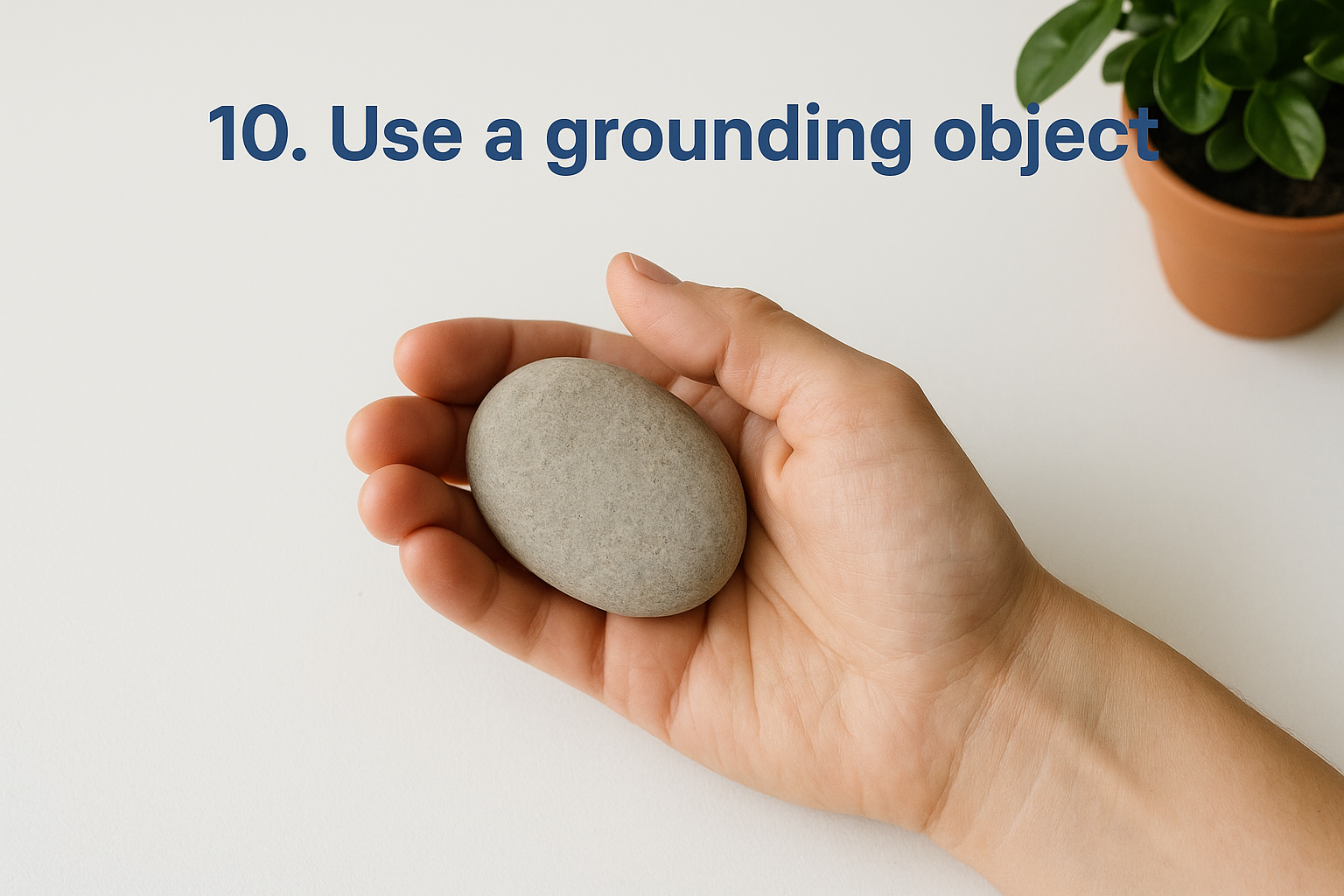
Carrying a specific physical object you associate with calm gives you a portable anchor during anxiety spikes. You touch, hold, or focus on this object when panic builds, using its familiar texture, weight, or appearance to redirect your attention from internal distress to external sensation. This technique works because your brain links the object with moments when you’ve successfully grounded yourself before, creating a conditioned response that helps activate calm faster. Unlike techniques that require mental effort or specific environments, a grounding object travels with you and requires only a few seconds of contact to begin working.
What makes an object work as an anchor
Your object needs distinct sensory qualities that capture attention without requiring intense focus. Texture matters most, so choose items with ridges, smooth surfaces, or interesting shapes you can trace with your fingers. The object should fit comfortably in your pocket or bag and withstand frequent handling. Avoid anything connected to stress or negative memories. Your brain builds stronger associations when you use the object only during grounding practice, not as an everyday item you handle absentmindedly throughout your day.
Limiting your grounding object to anxiety management creates a stronger psychological link between touching it and activating your calm response.
Good everyday items to use
Small polished stones, worry stones, or crystals work well because they offer smooth or textured surfaces without drawing attention. Soft fabric squares, fidget tools, or a specific keychain give you tactile variation you can explore with your fingers. Some people use a particular coin, a small metal disc, or a smooth piece of sea glass. Choose something that won’t break, melt, or deteriorate with body heat and frequent touching.
How to set it up for work, school, and car rides
Keep duplicate objects in multiple locations rather than relying on a single item. Place one in your work desk, another in your car’s center console, and a third in your daily bag or backpack. Practice touching the object during calm moments first to build the association before using it during actual anxiety. This preparation makes the object one of your most reliable grounding exercises for anxiety because you’ve trained your nervous system to respond to it automatically.
11. Use a two-minute reset combo
Combining two short techniques creates a powerful reset sequence when single methods feel incomplete or when your anxiety needs multiple angles of interruption. This combo pairs a safety-oriented exercise with a simple counting task, giving you both physical grounding and mental redirection in under two minutes. You can do both parts in sequence or choose just one based on what your nervous system needs in the moment. The flexibility makes this approach practical for varied anxiety situations, from mild worry to moderate panic.
Exercise 11A: orient to safety in the room
Look around your space and identify three safety markers that prove you’re not in danger right now. Notice exits you could use if needed, observe that no immediate threats exist, and recognize familiar objects that confirm you’re in a known, controlled environment. This deliberate safety check interrupts your brain’s threat-detection spiral by providing concrete evidence that contradicts your anxiety’s false alarms. Your nervous system responds to actual environmental information faster than it responds to reassuring thoughts.
Actively cataloging safety markers in your environment gives your brain visual proof that contradicts anxiety’s threat signals.
Exercise 11B: use a short counting task
Count backward from 100 by threes or sevens, which requires enough mental effort to occupy your anxious thoughts without becoming frustratingly difficult. You can also count objects in the room by category, like “six chairs, four windows, three doors.” This structured counting task engages your prefrontal cortex and naturally reduces activity in the amygdala that drives panic responses. The task needs to be simple enough to complete while anxious but complex enough to demand your attention.
How to decide which part to do first
Start with the safety orientation when anxiety feels threatening or when you’re experiencing hypervigilance that makes you scan for danger. Choose the counting task first when your thoughts spiral repetitively or when you need mental distraction more than environmental grounding. Many people find that doing the safety check first creates enough calm to make the counting task easier, though your experience with these grounding exercises for anxiety might show you prefer the opposite order.
Your next step
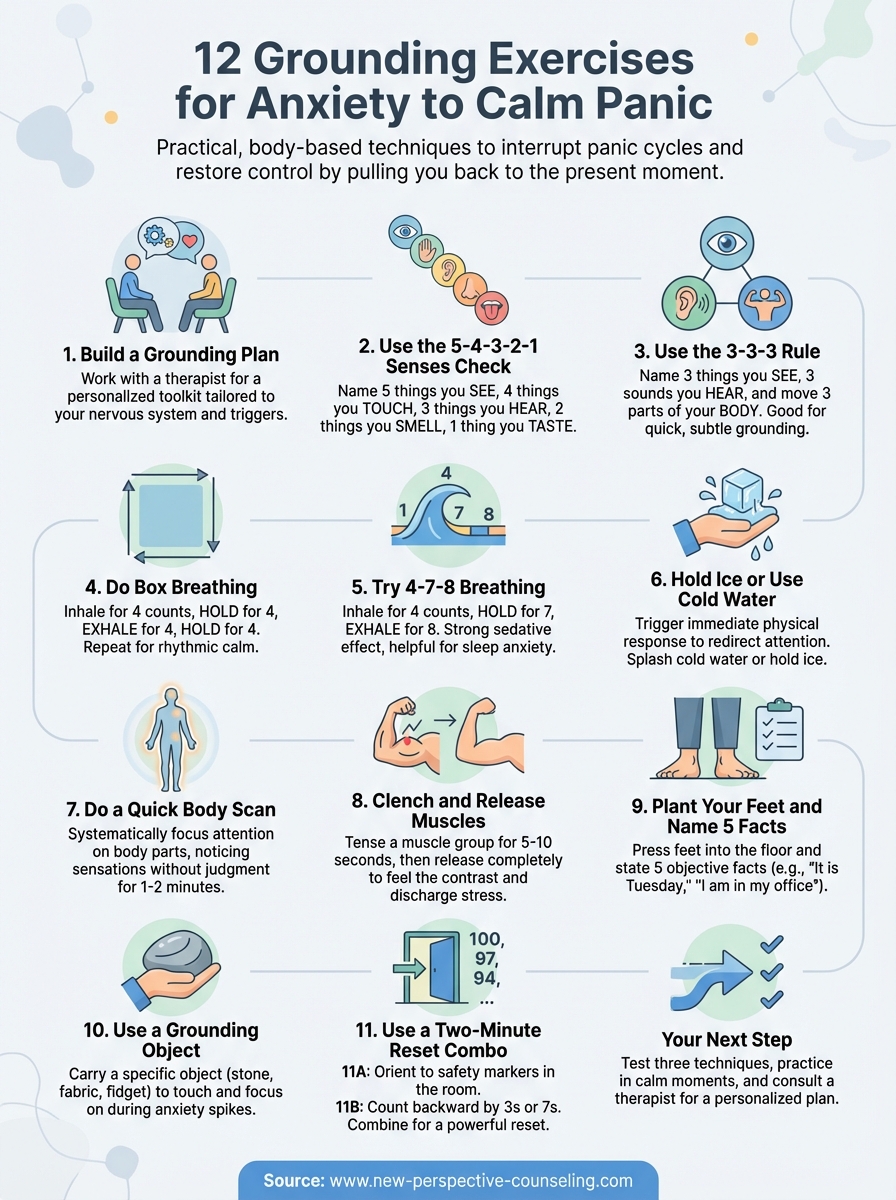
You now have 12 practical grounding exercises for anxiety that work in minutes when panic strikes. Start by testing three techniques that appeal to you most, then practice them during calm moments before relying on them during actual anxiety episodes. Your nervous system learns these tools faster when you rehearse them without pressure, which makes them more accessible when panic hits hard.
Professional support amplifies what self-help can achieve. Working with a trained therapist helps you understand why certain techniques work better for your specific nervous system and trauma history. Schedule a consultation at New Perspective Counseling to build a personalized grounding plan that addresses your unique anxiety patterns. We combine these immediate relief strategies with deeper therapeutic work that resolves the root causes creating your anxiety in the first place.