How Long Does the Child- Centered Play Therapy Take?
By Antoinette Peterson
When parents learn about Child-Centered Play Therapy, they often become excited about the process and eager to get their child started and making progress. While this enthusiasm is welcome, it is critical that parents and caregivers have realistic expectations about CCPT and the amount of time it can take to see real progress. In this blog post, we will discuss the various factors impacting the duration of CCPT progress, the importance of attending regular sessions, and the benefits of parental involvement in the process.
Which Factors Impact the Duration of Child-Centered Play Therapy Progress?
While Child-Centered Play Therapy sessions can vary in length, they typically are held weekly and last from 30-50 minutes. Research shows that it takes an average of 20 sessions to resolve most issues presented by children seeking CCPT. However, the length can vary based on a variety of factors. For example, a child with more complex issues such as grief or trauma may require longer sessions or take a longer time to see progress. Children who are younger and at a lower developmental stage may also require more time.On the other hand, when a child and their family are very engaged in the CCPT process, progress may be expedited. Children who attend sessions more frequently or are able to partake in longer sessions may also see faster progress.
Why are Regular Sessions Important?
Regular sessions are critical as they allow the benefits of Child-Centered Play Therapy to accumulate consistently. This ensures that progress is not lost and can equip children to face their current challenges with resilience. Regular sessions also establish trust with a therapist and create a safe space for emotional expression within the playroom.
How does Parental Involvement Impact Progress?
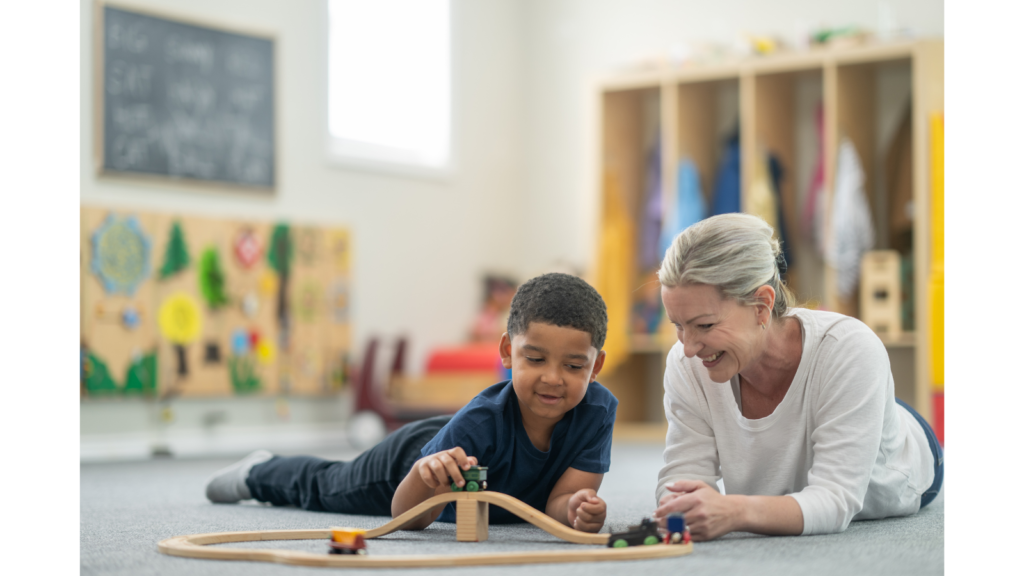
Not only does parental involvement in the Child-Centered Play Therapy process strengthen bonds between a parent and child, it also can accelerate progress. Spending time at home playing with your child outside of CCPT sessions can support a child’s motor skill development, creativity, and build trust. In addition, these play sessions can allow a parent to observe their child’s progress, and help reinforce certain values instilled in CCPT sessions such as tolerance, sharing, and mutual understanding. Overall, parental involvement serves as a complementary asp[ect to child-centered play therapy, creating a more enriching and supportive environment outside the therapist’s playroom.
How New Perspective Counseling Can Help?
At New Perspective, our therapist Dana Malmquist specializes in Child-Centered Play Therapy and is available to answer any questions you may have. Dana Malmquist, MSW, LLMSW is a Licensed Clinical Therapist Specializing in Child-Centered Play Therapy and Counseling for Children, Teens, and Young Adults In Highland, Michigan/ Dana holds a Master’s in Social Work from Western Michigan University and is certified in school social work. Her background as an elementary school social worker gave her firsthand experience supporting children with IEPs, collaborating with educators, and advocating for students in both academic and emotional settings.
If you’re a parent in the Highland, Michigan area and your child is struggling with anxiety, behavior issues, or emotional regulation, CCPT can help them express their feelings, build self-confidence, and strengthen family relationships. Contact us to make your first appointment.