

Panic Attacks That Come Out of Nowhere in White Lake, MI
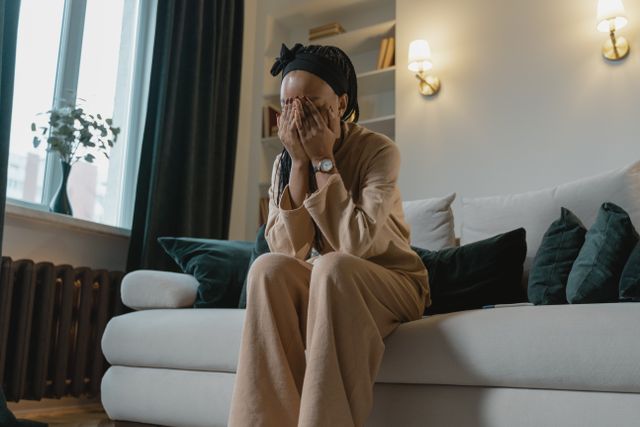
Panic attacks can feel as if they come out of nowhere. One moment you may be driving, shopping, working, or sitting at home, and the next your heart is racing, your chest feels tight, you feel dizzy or unreal, and your mind is convinced something is terribly wrong.
New Perspective Counseling provides anxiety and panic treatment near White Lake, MI for adults who are dealing with sudden panic attacks, fear of another attack, or avoidance that is starting to limit daily life. The practice specializes in anxiety, depression, and trauma, and all of our therapists have at least five years of mental health experience. Treatment may include CBT, exposure-based strategies, mindfulness, ACT, DBT, or trauma-informed approaches depending on what is contributing to your symptoms.
Why Panic Can Feel So Dangerous
Panic symptoms are intense because the body’s alarm system is activated quickly. You may experience:
- A racing or pounding heart
- Shortness of breath
- Chest tightness
- Dizziness or lightheadedness
- Shaking or sweating
- Nausea or stomach discomfort
- Feeling detached from yourself or your surroundings
- Tingling or numbness
- A fear of fainting, losing control, or dying
These sensations can be frightening even when you have experienced them before. Many people begin monitoring their bodies closely afterward, which can make normal changes in heart rate, breathing, or balance feel threatening.
Panic attack therapy near White Lake, MI can help you understand the panic cycle and learn ways to respond differently when physical sensations begin.
The Fear of the Next Panic Attack Can Become Its Own Problem
After one severe panic attack, it is common to start asking, “What if it happens again?”
You may avoid driving alone, crowded stores, exercise, restaurants, meetings, or places where leaving quickly would be difficult. You might carry water, medication, or another “just in case” item everywhere, sit near exits, or need someone with you to feel comfortable.
These strategies can make sense when panic feels unpredictable. The difficulty is that repeated avoidance can reinforce the belief that the situation was dangerous and that you were only safe because you escaped or prepared.
Therapy can help you reduce that cycle gradually rather than forcing you into situations before you are ready.
What Actually Helps With Panic
Trying to eliminate every physical sensation often backfires because it keeps attention focused on whether the panic is “gone yet.” Treatment usually focuses more on changing your relationship with the sensations and reducing the fear attached to them.
Cognitive Behavioral Therapy can help you examine catastrophic interpretations such as “my heart is racing, so something is seriously wrong.” Exposure-based work may help you practice tolerating feared sensations or situations in a structured way so your brain has opportunities to learn that discomfort can rise and fall without catastrophe.
Breathing, grounding, and mindfulness can also be useful when they are used to stay present rather than as rigid rituals you believe you must perform perfectly.
Can Trauma Contribute to Panic?
Sometimes panic is closely connected to trauma. A body sensation, environment, tone of voice, or feeling of being trapped may activate a threat response before you consciously understand why.
Other people have panic attacks without a clear trauma connection. That is why treatment should begin with understanding your specific history, symptoms, and triggers.
If trauma is part of the picture, approaches such as EMDR therapy, Brainspotting, or other trauma-focused work may be considered alongside anxiety treatment.
What If I Am Afraid Therapy Will Trigger a Panic Attack?
This fear is understandable, especially if you have been working hard to avoid panic sensations.
Panic treatment can be collaborative. Your therapist can explain the purpose of an exercise, help you understand what to expect, and adjust the pace based on your response. Exposure work is not about surprising you or pushing you into the most frightening situation immediately.
The goal is to help you build confidence that anxiety and physical sensations can be uncomfortable without automatically meaning you are unsafe.
When to Get Medical Help
Panic symptoms can resemble symptoms of medical problems. If you have new, severe, or unexplained symptoms, or you are unsure whether what you are experiencing is panic, medical evaluation can be important.
Therapy is not a substitute for medical care. Once medical concerns have been addressed, therapy can help with the fear, avoidance, and repeated panic cycle that may remain.
Panic and Anxiety Therapy Near White Lake, MI
New Perspective Counseling serves White Lake and nearby communities from our Highland office at 147 N. Milford Rd., Suite 201, Highland, MI 48357. Online therapy is also available throughout Michigan.
Our clinicians work with anxiety, panic attacks, trauma, depression, stress, OCD, and related concerns. Daytime, evening, and weekend appointments are available. Most insurance plans are accepted, although participation varies by therapist.
If panic attacks feel unpredictable or you are organizing your life around preventing the next one, call or text (248) 563-0587 or make an appointment online.